
Adhesive Consulting – The Right Solution for Every Application
Do you have questions about adhesives? Whether it's material selection, adhesion, curing, or processing – our expert consultation helps you find the optimal adhesive for your application. Learn everything about one-component and two-component adhesives, bonding methods, and common sources of error. Get personalized advice now and find the perfect solution for your requirements!
Bonding Technology: The Connection Technology of the Future
Bonding technology is one of the most innovative and sustainable joining methods of the future. Modern adhesives offer outstanding properties and enable high-strength bonds, even on very small surfaces.
Do you need professional support in selecting and using Polysion adhesives, adhesive tapes, or technical sprays? Our expert team will be happy to assist you – contact us today!
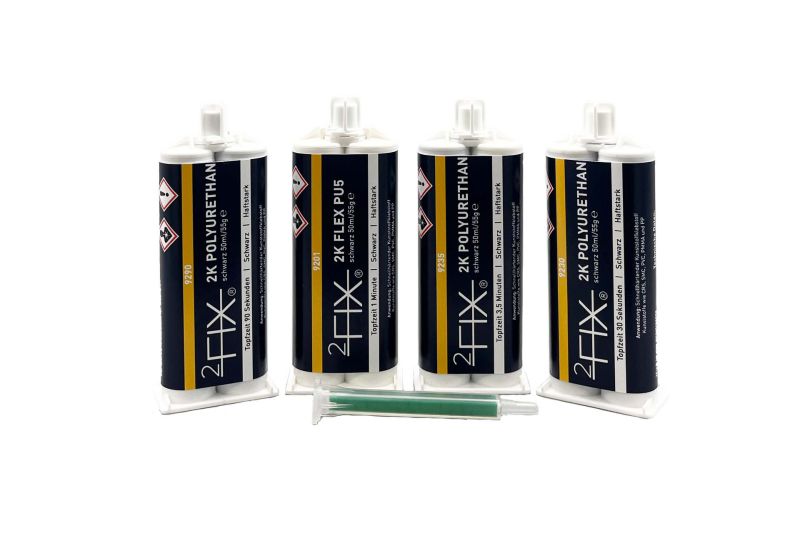
What are the advantages of bonding technology?
Bonding technology offers numerous advantages over other joining methods such as welding – and all without expensive equipment.
- Versatile material bonding: Metals, plastics, wood, stone, and many other materials can be reliably joined.
- High load capacity: After curing, adhesives have properties similar to plastics and are equally durable.
- Flexible or rigid bonds: Depending on the adhesive, the bond remains elastic or behaves similarly to metal.
Discover the wide range of possibilities offered by modern bonding technology!
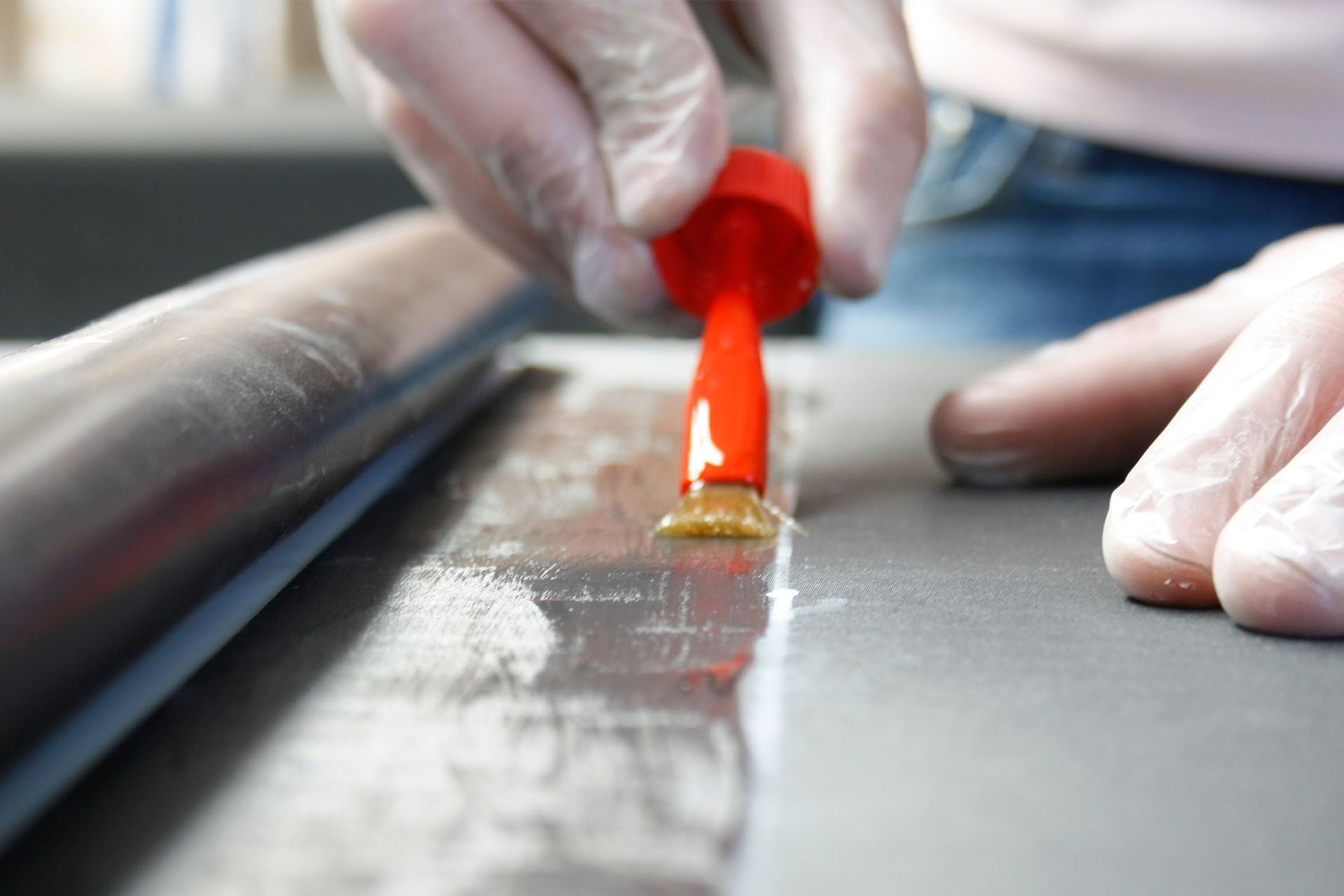
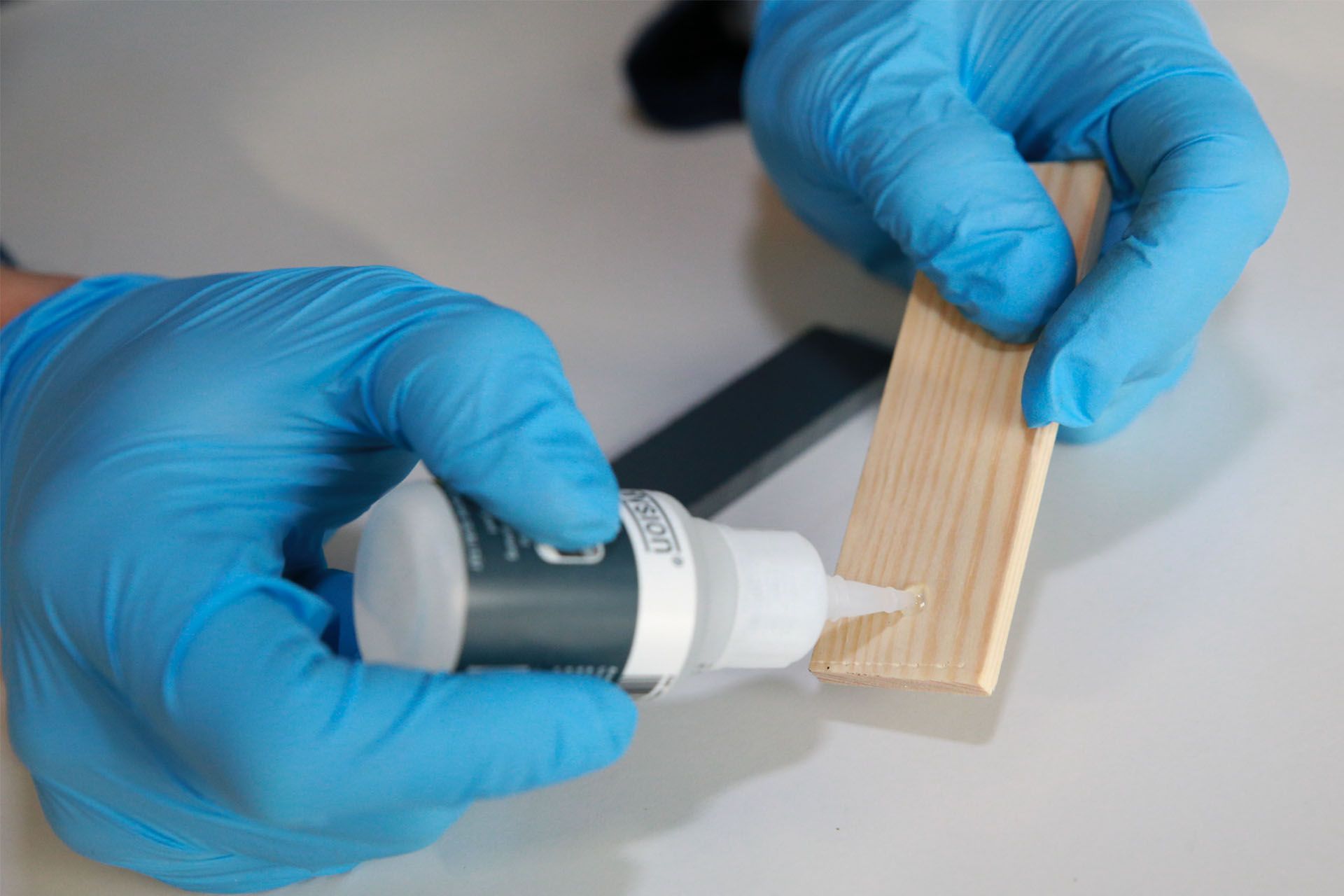
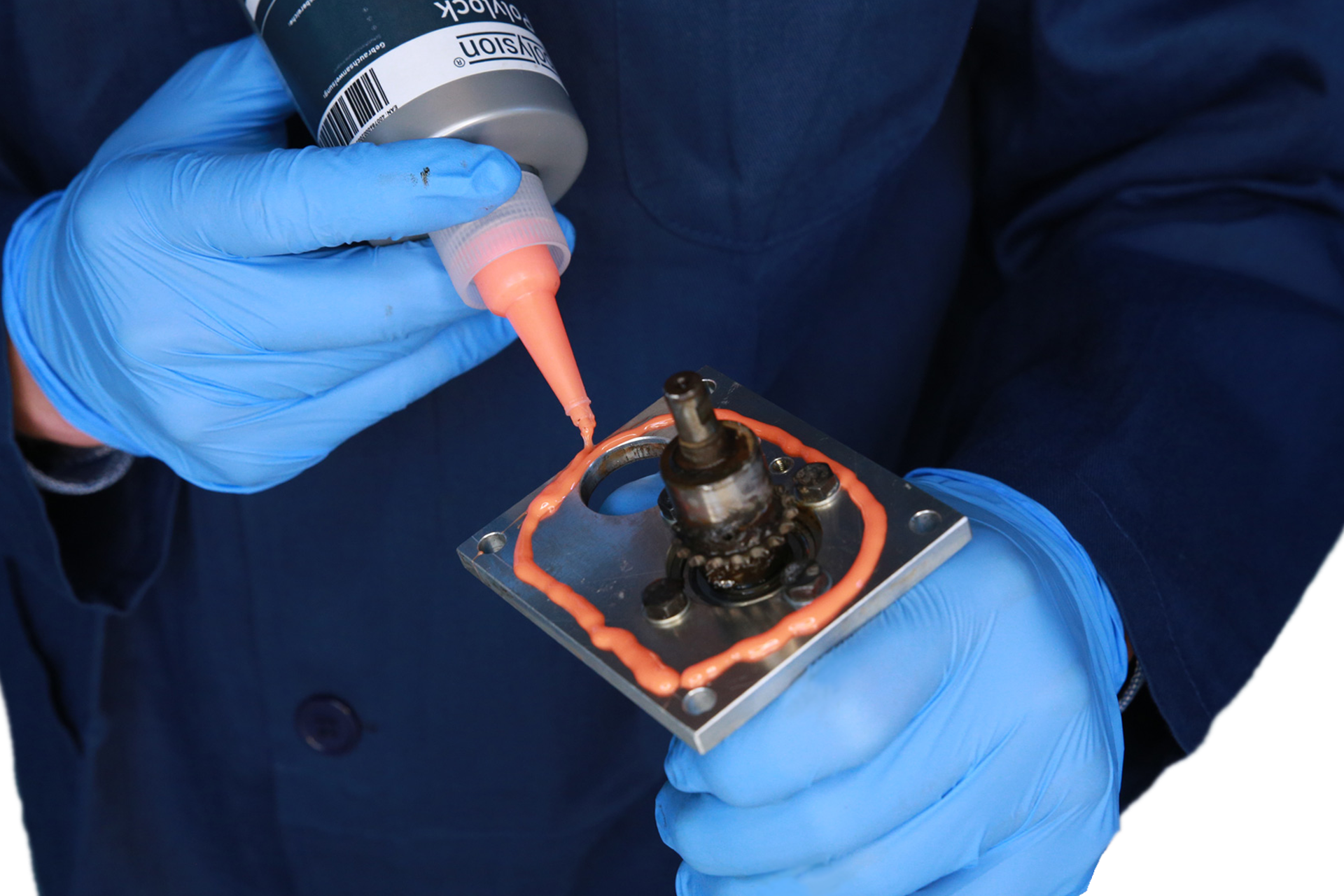
What should I consider when bonding?
To ensure optimal adhesion, several factors are crucial:
- Choose the right adhesive: The appropriate adhesive must be selected depending on the material and application.
- Prepare surfaces: Thorough cleaning and pre-treatment improve adhesion.
- Observe processing time: Each adhesive has a specific open time that must be respected.
- Allow proper curing: Full curing ensures maximum strength.
By following these points, you can achieve a durable and reliable bond.
Bond Preparation and Process Reliability: How to Achieve a Perfect Bond
Careful preparation is essential for a safe and long-lasting bond. Follow these steps:
- Prepare the workspace: Ensure a clean and well-ventilated environment.
- Wear protective equipment: Gloves, safety glasses, and suitable clothing are essential. Adhesives and cleaners are chemical products and must be handled accordingly.
- Clean and pre-treat surfaces: Remove dirt, grease, or contaminants. If necessary, use a primer to increase surface tension and improve adhesion.
These measures ensure a stable and secure bond.
The choice depends on curing processes and material requirements. There are two main types:Which adhesive is suitable for my application?
1-component adhesives
These cure without additional components and are easy to use. Examples:
- Polymers
- Instant adhesives (super glue)
- Anaerobic adhesives
- Contact adhesives
2-component adhesives
These consist of two components that must be mixed before use. An important factor is the pot life – the time during which the adhesive can be applied and positioned before curing begins.
Need help choosing the right adhesive? Contact us for individual advice!
The most common bonding mistakes – preparation & curing
To ensure long-lasting bonds, avoid these common mistakes:
1. Lack of surface preparation
- Thorough cleaning is essential.
- Dirt or grease prevents proper adhesion, as the adhesive bonds to the contamination instead of the material.
2. Adhesive does not cure properly
- 1-component adhesives require proper temperature and humidity – below 10°C or with insufficient humidity, curing may fail.
- 2-component adhesives may cure incorrectly due to improper mixing ratio, low temperature, or exceeded pot life.
3. Impatience during curing
- Most adhesives require at least 24 hours before they can bear load.
- Maximum strength is often reached after 48 hours.
Tip: Always follow the manufacturer's instructions regarding processing, curing time, and environmental conditions.