
Contact Adhesives
Effective Use of Contact Adhesives: Step-by-Step Guide
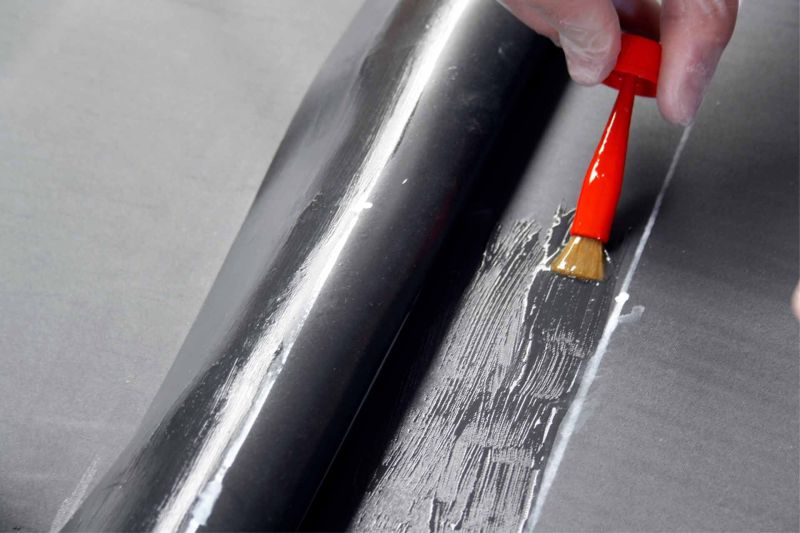
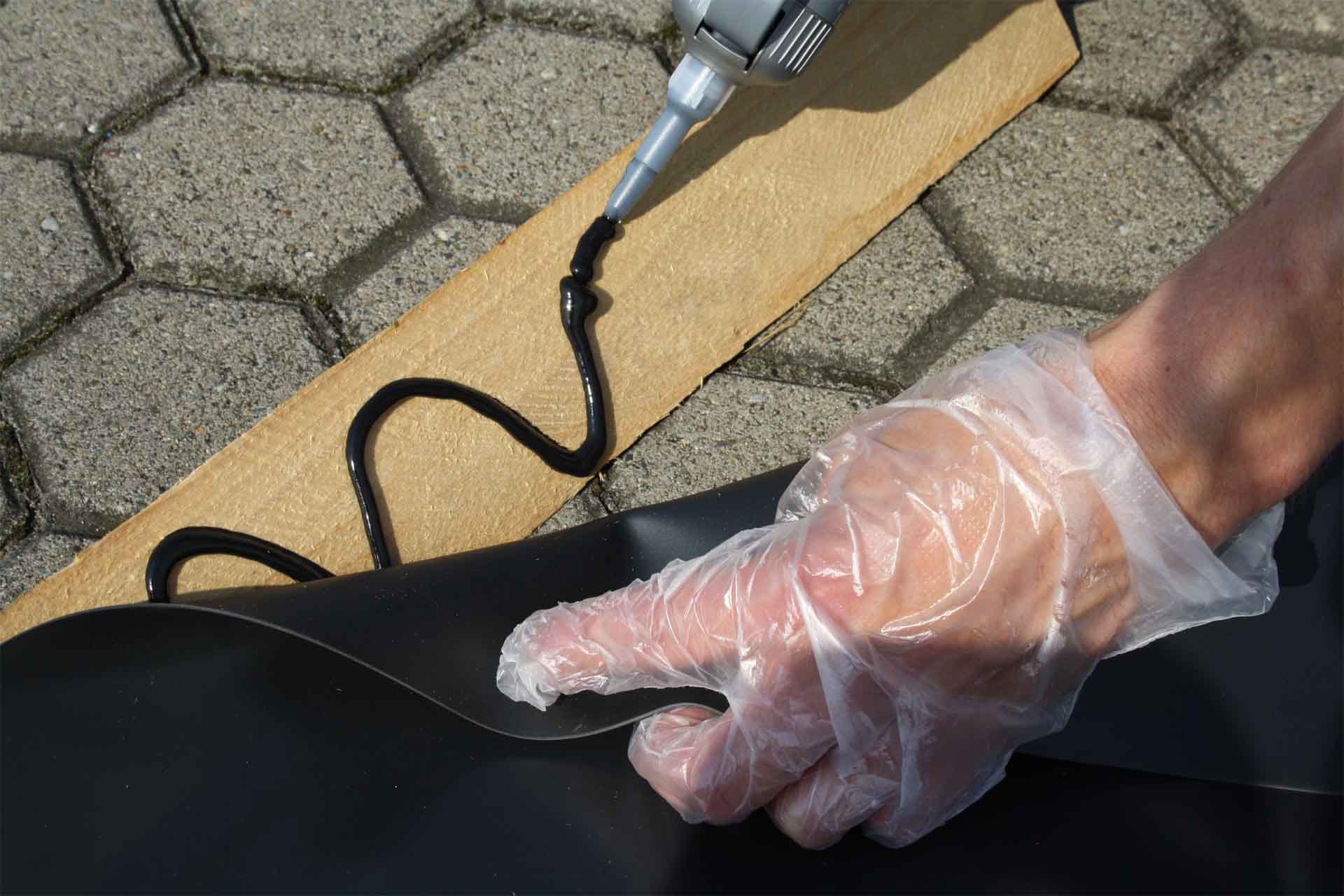
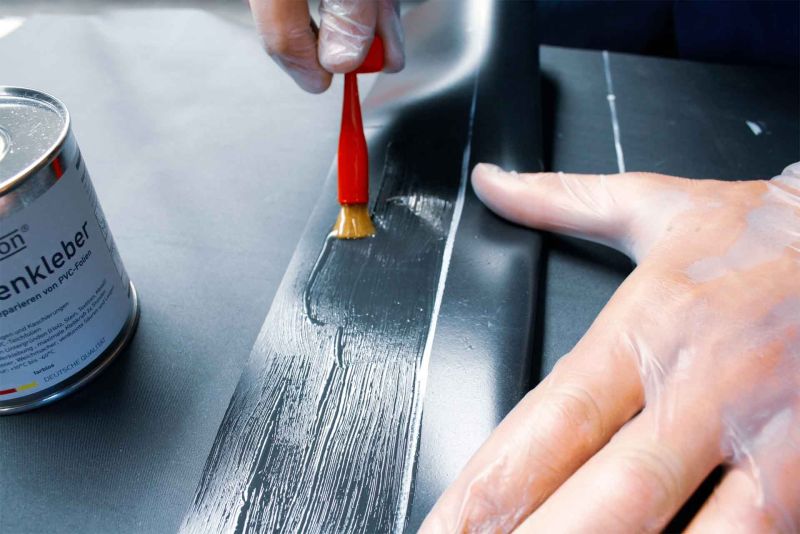
Our high-quality contact adhesives are applied precisely to each individual component. After a short flash-off time, the contained solvents evaporate, preparing the components optimally for further processing. The components can then be accurately positioned and joined under pressure, for example using screw clamps. The final adhesive strength develops after a defined reaction time, ensuring a durable and stable bond.
Your contact person for contact adhesives
Sebastian Coché
Phone: +49 2564 9317 - 11
E-Mail: service@polytec-vreden.de
Our high-quality contact adhesives are applied precisely to each individual component. After a short flash-off time, the solvents contained in the adhesive evaporate, optimally preparing the components for further processing. The components can then be positioned accurately and bonded under pressure, for example using clamps. The adhesive reaches its final bond strength after a defined curing time, ensuring a durable and stable connection.
Simply request your desired product using our enquiry form.
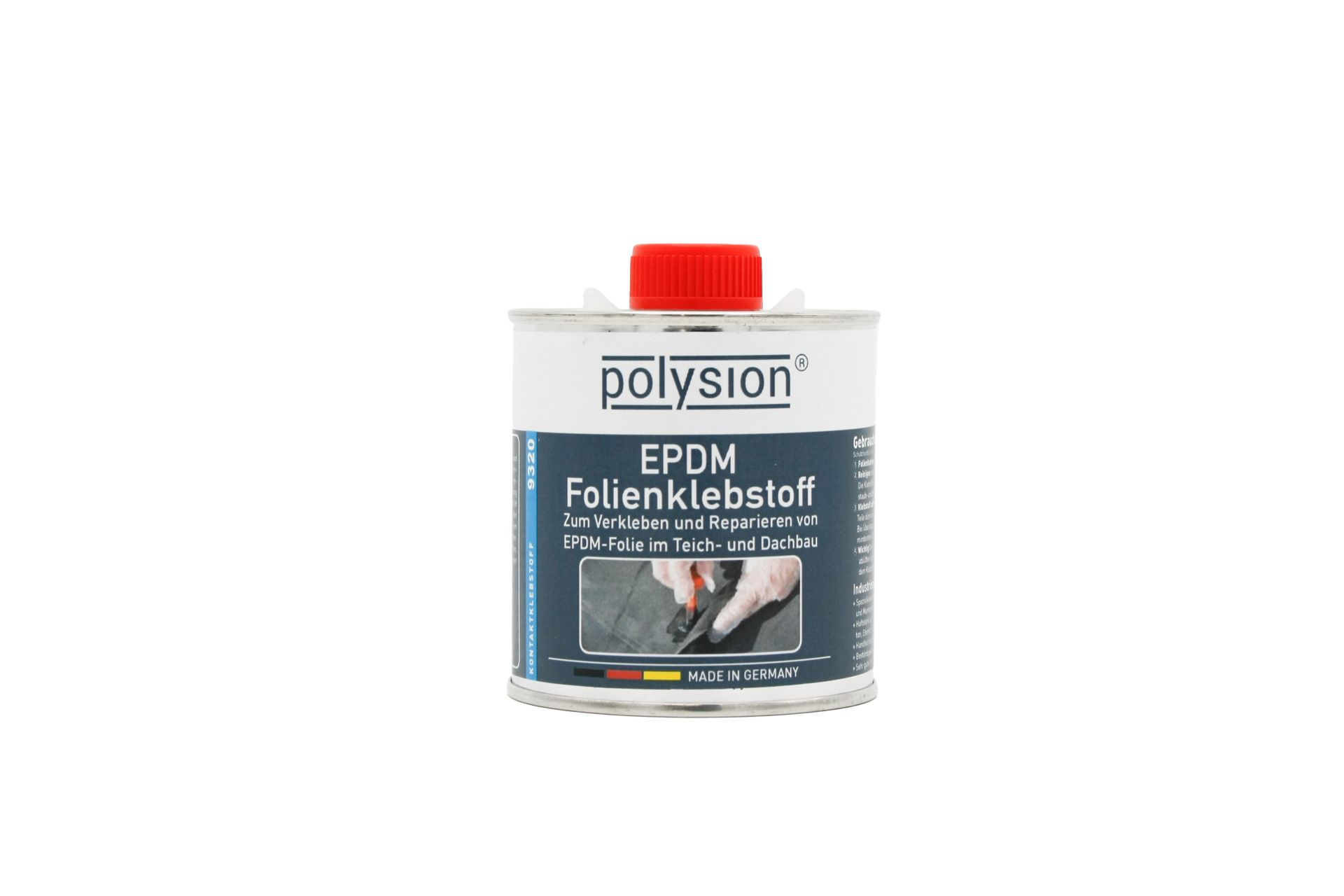
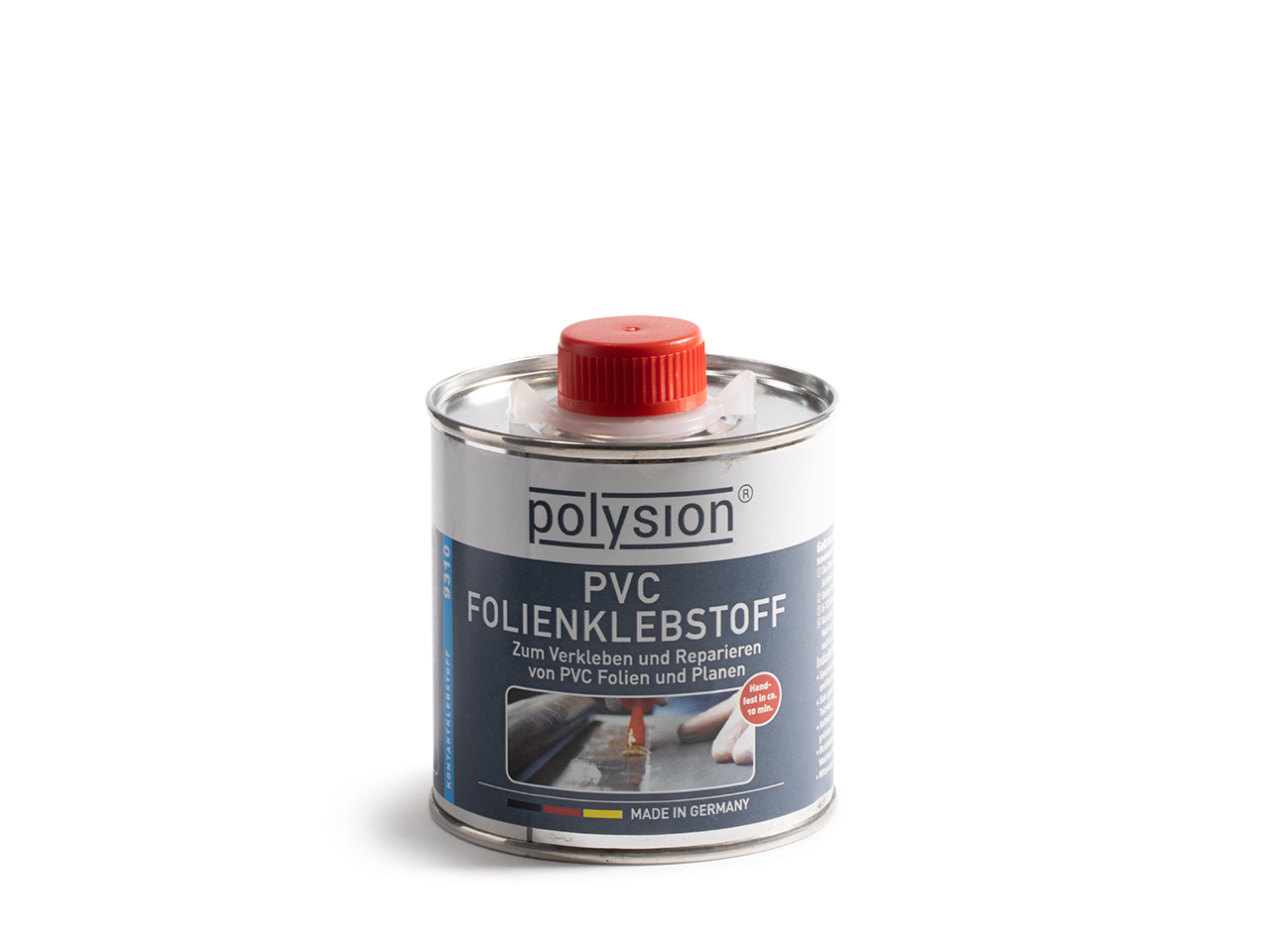
Information about contact adhesives
A contact adhesive is an adhesive that is applied to both surfaces to be bonded. After a short flash-off time, the parts are pressed together. The bond forms immediately and, depending on the product, reaches its full strength after a certain period of time.
Contact adhesives are commonly used for bonding large surface areas. Typical applications include leather, rubber, cork, wood, veneer, HPL panels, foams, felt, textiles, plastics, and many decorative surfaces.
Contact adhesives provide fast initial tack, are suitable for large surface areas, and ensure an even bond. Many products remain flexible, offer long-term durability, and are resistant to moisture, heat, and ageing.
The adhesive is applied to both bonding surfaces. During the flash-off time, the solvents or water content evaporate. Once the adhesive is dry to the touch, the surfaces are aligned precisely, joined together, and pressed firmly. When the two adhesive films come into contact, a strong bond forms immediately.
Usually not. Contact adhesives bond immediately when the parts are joined. Repositioning them afterwards is generally very difficult. Therefore, the parts should be aligned precisely before being pressed together.
The bonding surfaces should be clean, dry, and free from dust and grease. Any old adhesive residue, oil, wax, release agents, or loose particles should be removed. Smooth surfaces can be lightly sanded to improve adhesion.