
Specialty Sprays
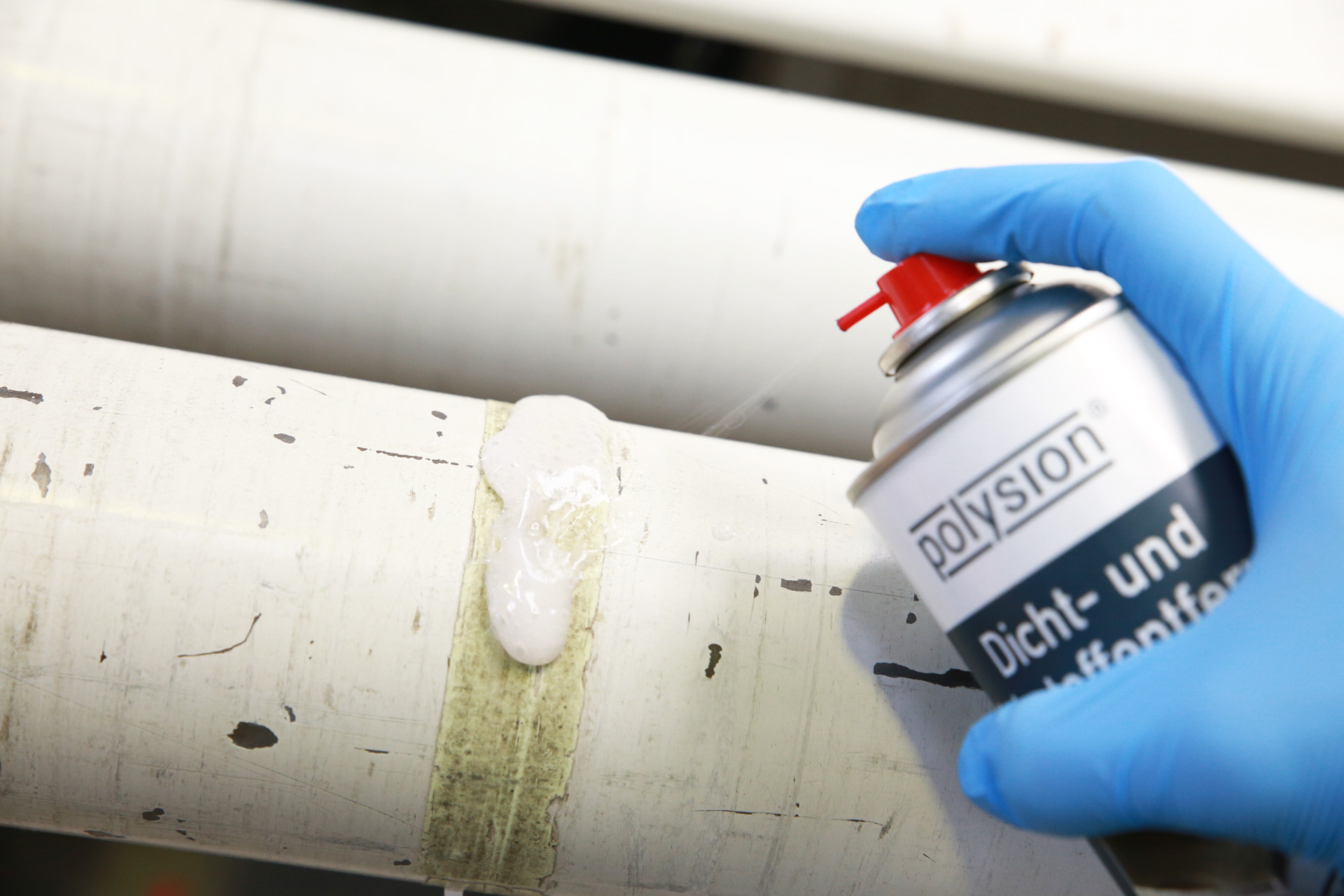
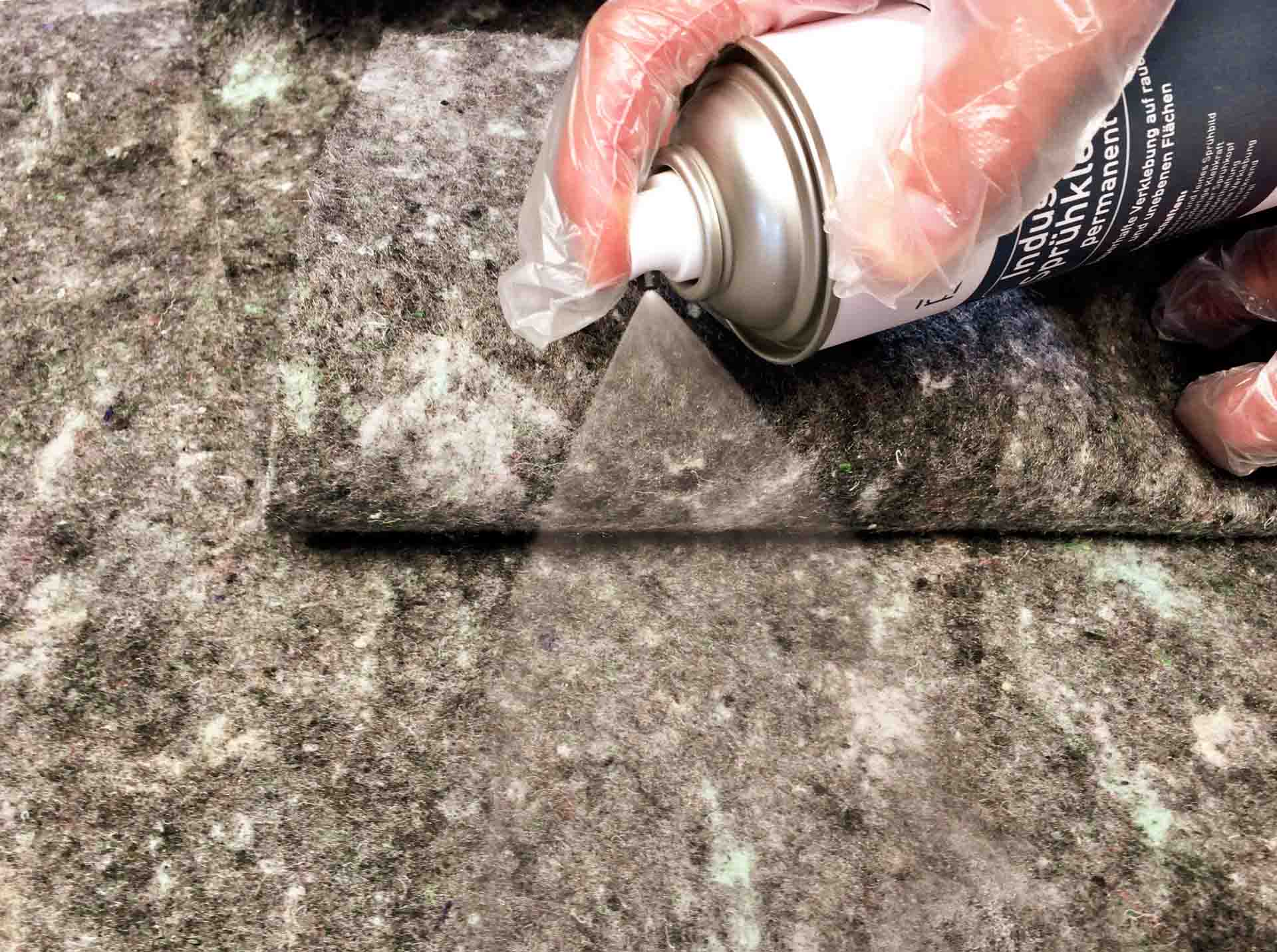
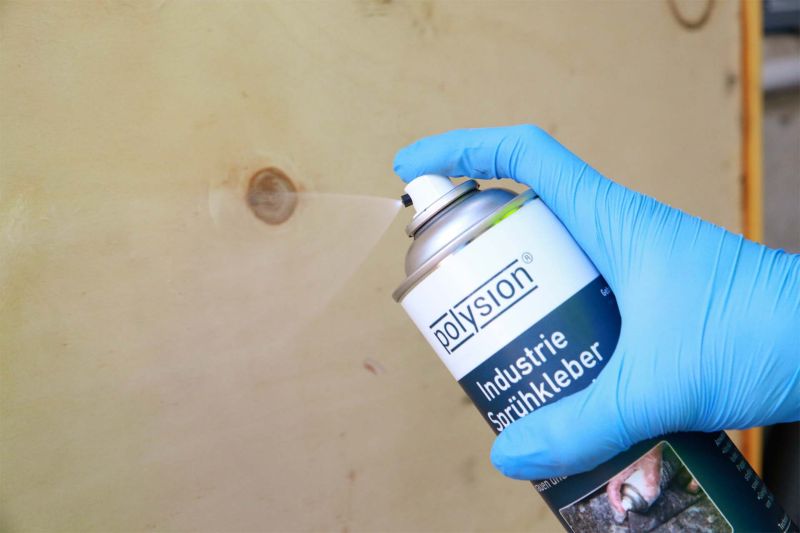
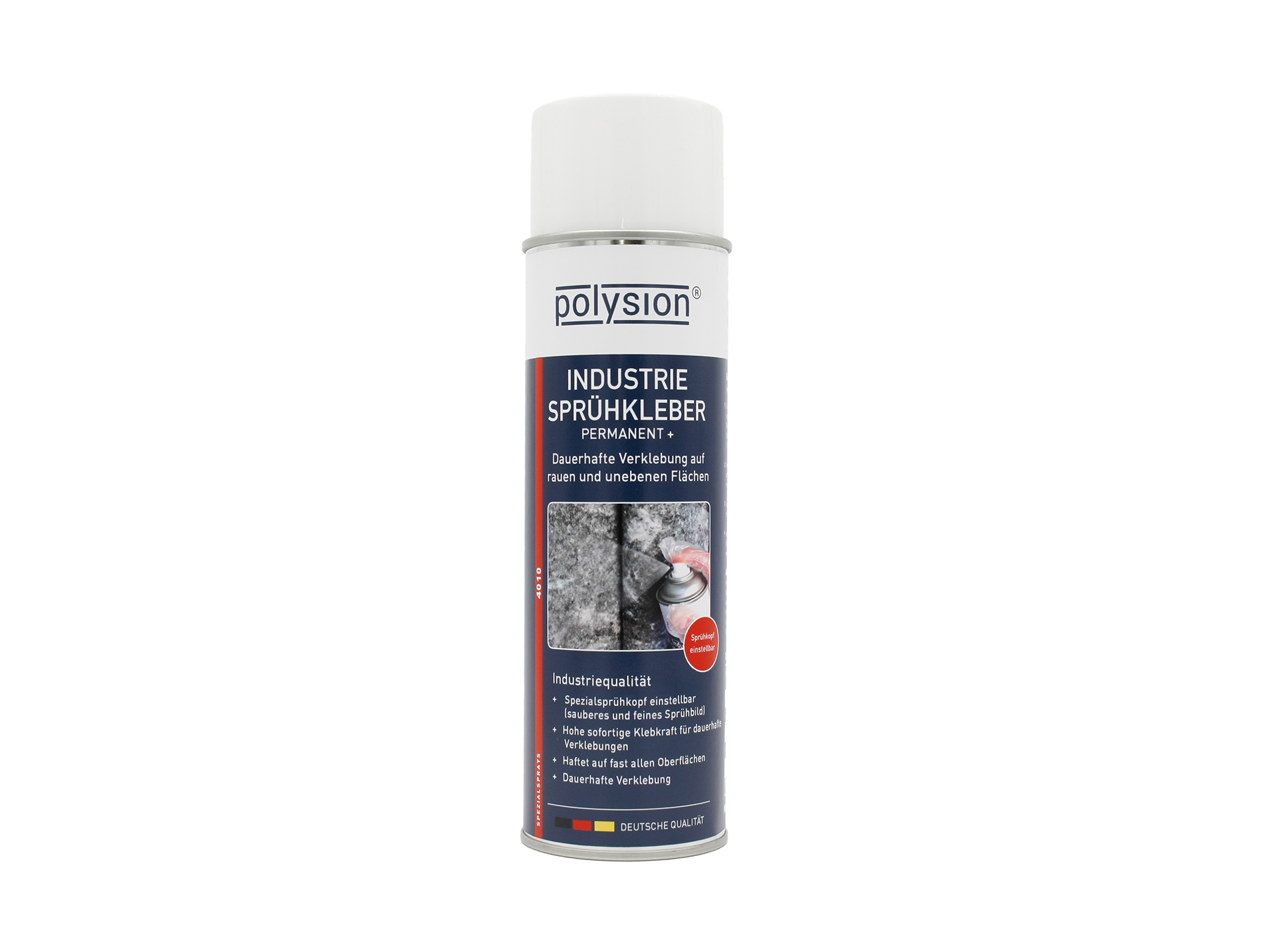
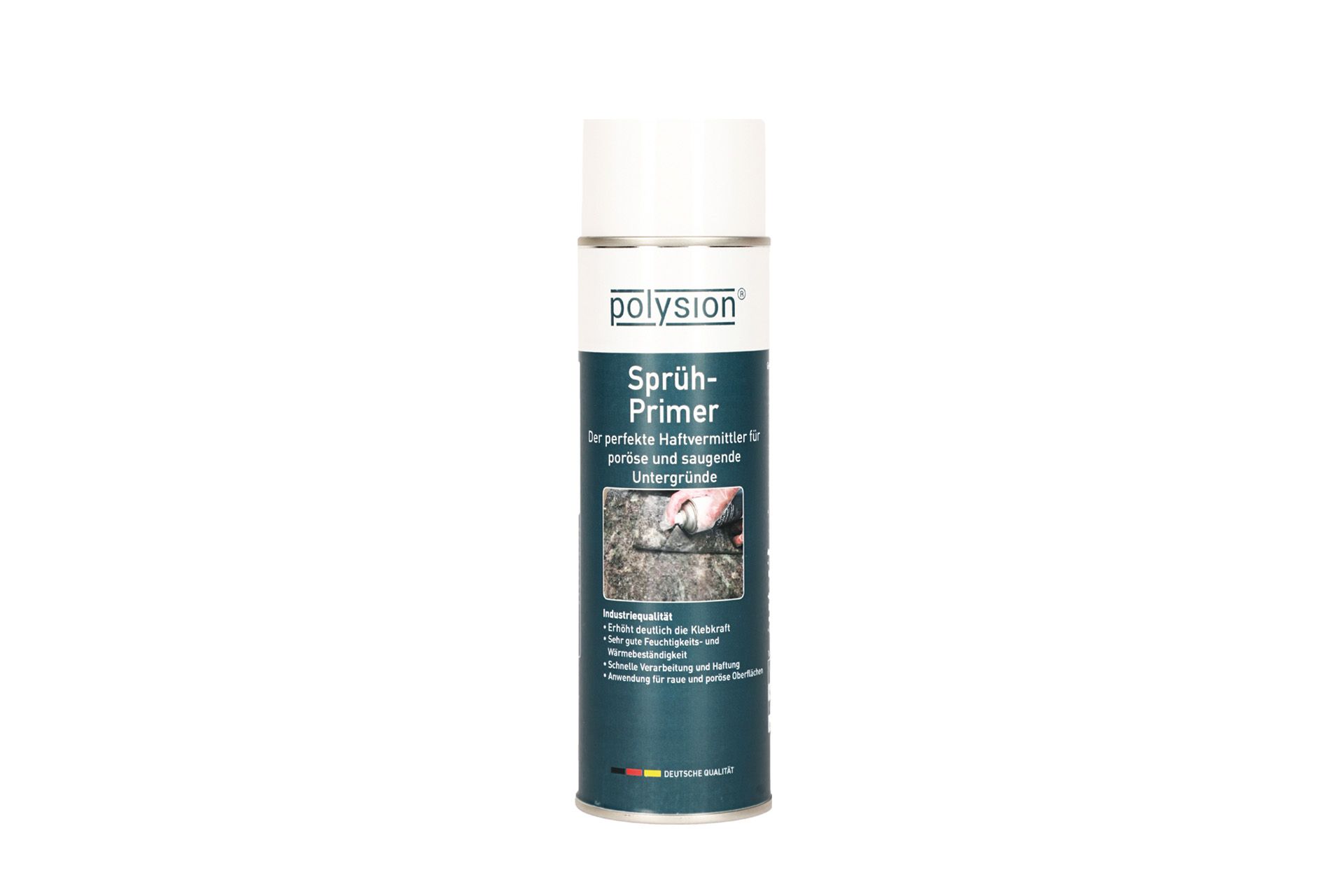
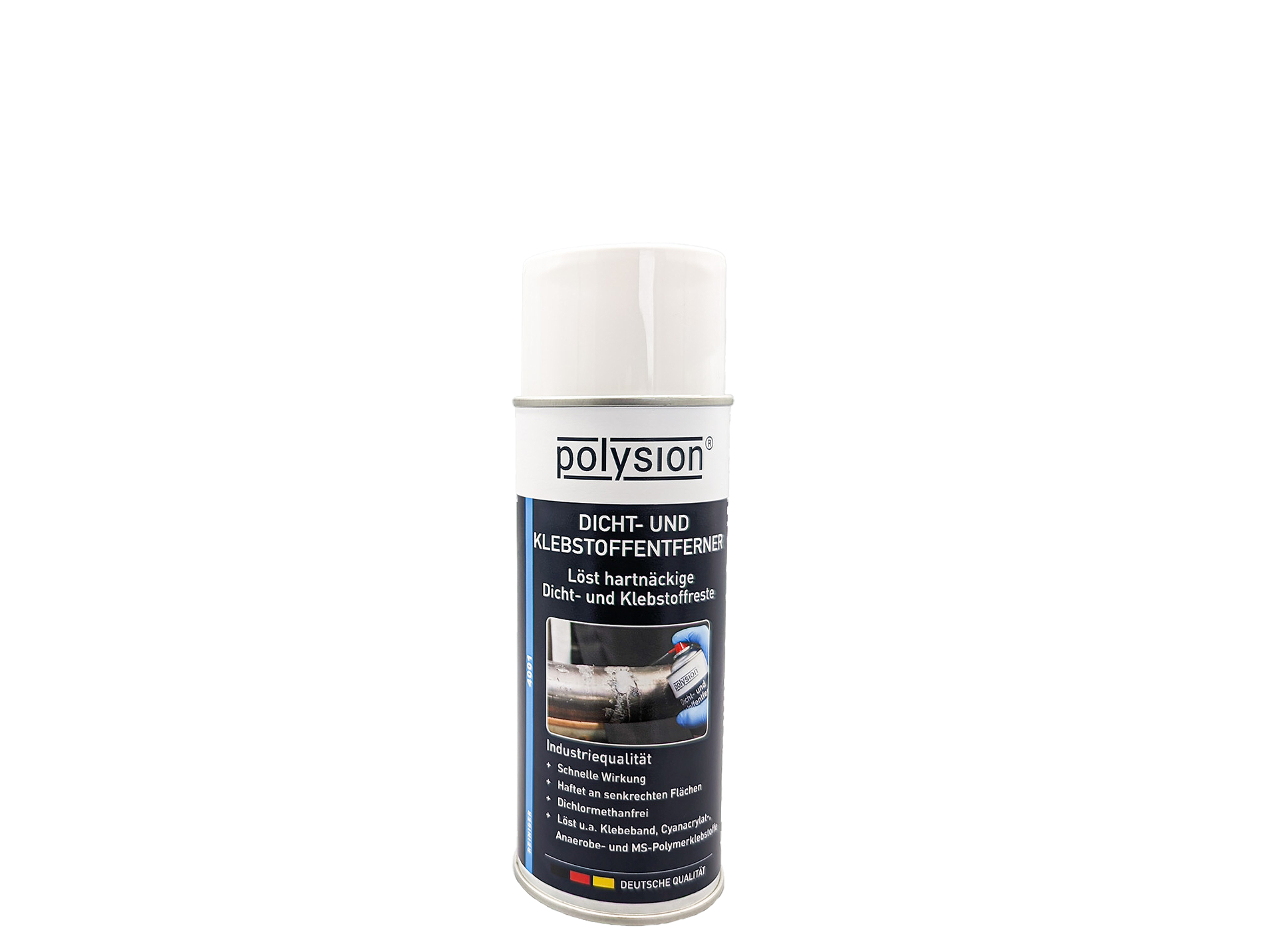
Our specialty sprays offer the perfect solution when conventional sprays reach their limits. Developed for specific requirements, they are indispensable for special applications. Whether you need a high-performance spray adhesive for strong bonds, an effective spray for removing stubborn adhesives and sealants, or a high-quality adhesion promoter (primer) for absorbent surfaces – we have the right product for you.
Your Contact for Technical Sprays – Speciality Sprays
Sebastian Coché
Phone: +49 2564 9317 - 11
E-Mail: service@polytec-vreden.de
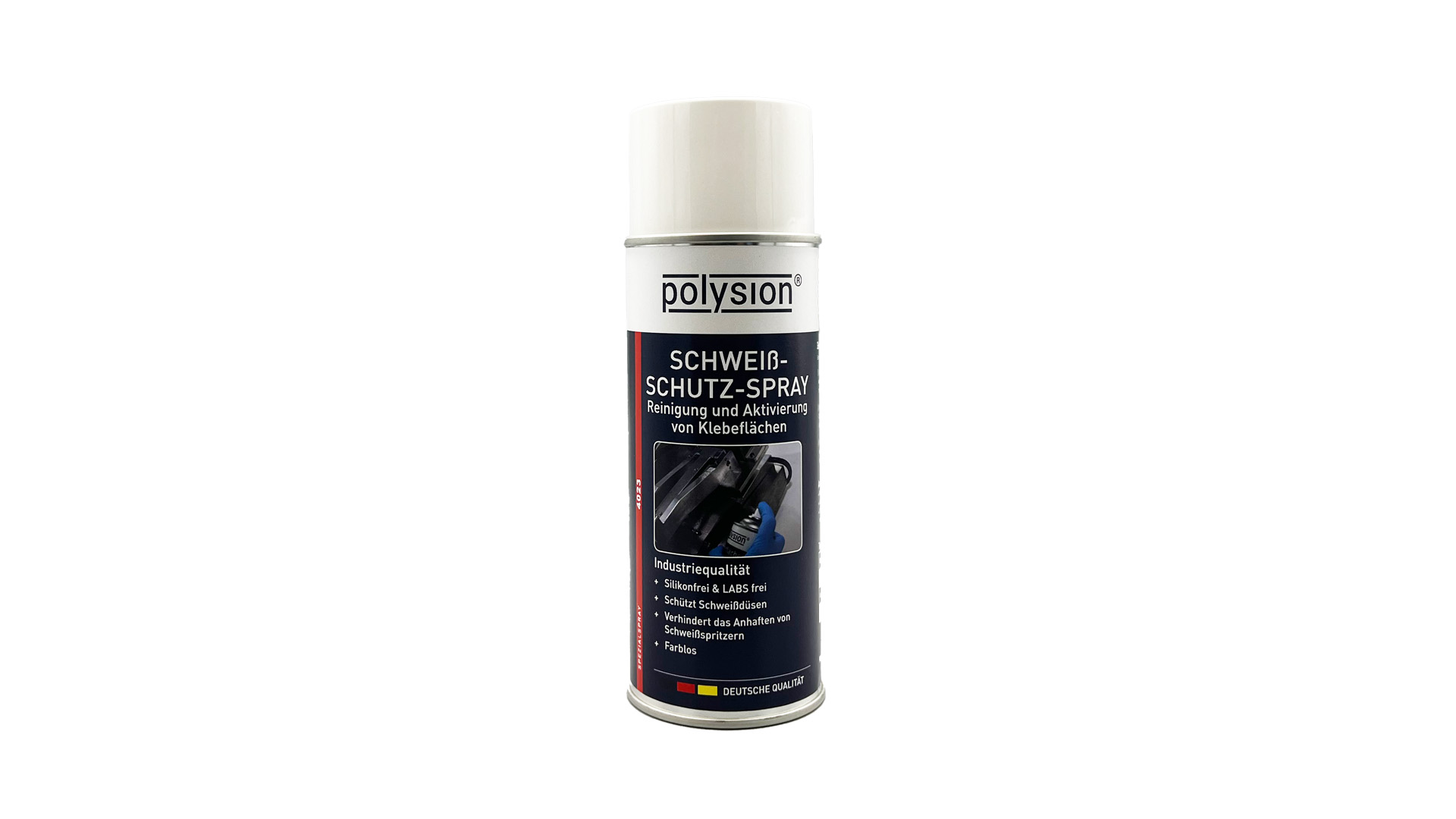
Speciality sprays offer targeted solutions for specific applications where conventional sprays are not sufficient. They can be used, among other things, as spray adhesives, removers for adhesives and sealants, or adhesion promoters for absorbent substrates.
Simply request your desired product using our form.

Information on Technical Sprays – Speciality Sprays
Technical speciality sprays are products developed for specific applications, materials, or requirements. They are used when standard products such as universal cleaners, lubricating oils, or basic protective sprays are not sufficient.
Technical speciality sprays are used in industry, workshops, trades, assembly, maintenance, and repair. Depending on the product, they are used to clean, lubricate, protect, loosen, maintain, insulate, cool, mark, or preserve components and surfaces.
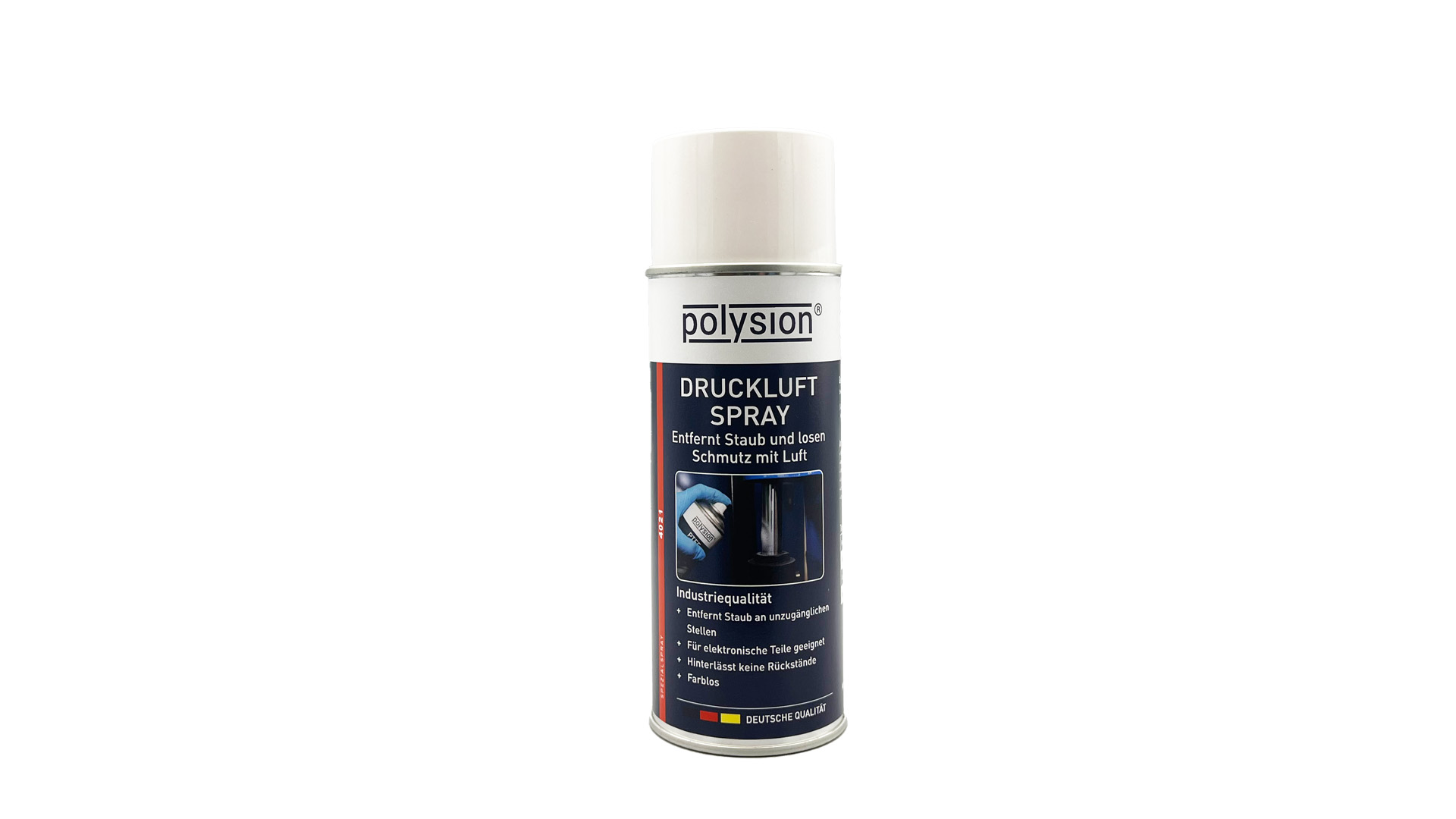
Technical speciality sprays include contact sprays, freeze sprays, silicone sprays, PTFE sprays, zinc sprays, rust penetrants, sealant sprays, release agents, adhesive removers, and antistatic sprays. The appropriate product depends on the specific area of application.
Depending on the product, they are suitable for materials such as metal, plastic, rubber, glass, ceramics, painted surfaces, electrical contacts, or coated surfaces. As material compatibility depends greatly on the specific product, the product information should be followed and sensitive surfaces should be tested beforehand.
Important factors include the intended purpose, material, environment, temperature exposure, required resistance, and the type of contamination or stress involved. It should also be determined whether the spray needs to be residue-free, permanent, temporary, conductive, insulating, or paintable.
The surface and area of application should be checked before use. The spray should be applied evenly from a suitable distance. Good ventilation, compliance with all safety and hazard instructions, and sufficient distance from heat, open flames, and ignition sources are essential.