
2-Component Adhesives
High-performance 2-component adhesives: Precision and reliability in bonding
Our 2-component adhesives provide outstanding bonding performance by combining an adhesive with an activator, such as a hardener. These adhesive systems are characterized by precise controllability and controlled curing, as the chemical reaction occurs between the two components. A key advantage over conventional 1-component adhesives is their reduced dependence on external conditions such as temperature and humidity.
The selection of the optimal 2-component adhesive depends largely on the specific application, such as the materials used or the required processing time. Whether for industrial applications or precise repairs, our 2-component adhesives offer reliable and durable bonds for a wide range of materials.
Your contact for two-component adhesives
Phone: +49 2564 9317 - 11
E-Mail: service@polytec-vreden.de
Our two-component adhesives provide excellent bonding performance by combining an adhesive with an activator, such as a hardener. These adhesive systems offer precise process planning and controlled curing, as the chemical reaction takes place between the two components.
Simply submit an enquiry for your desired product using our form.
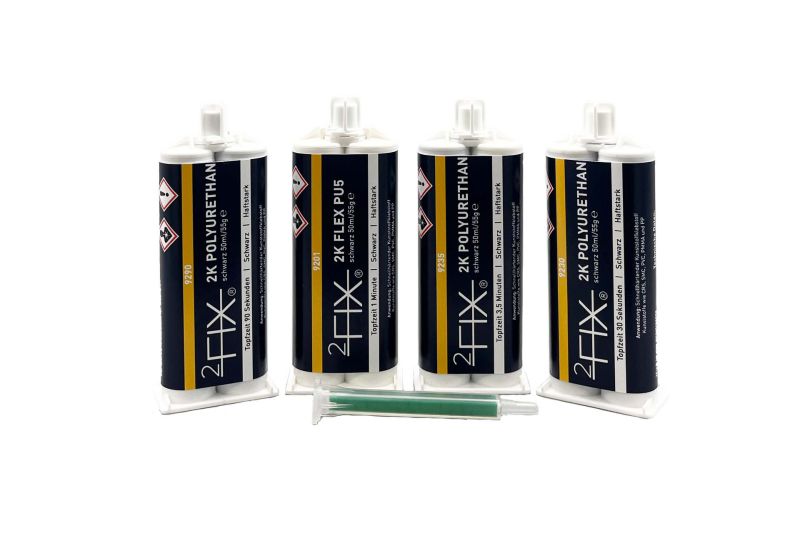

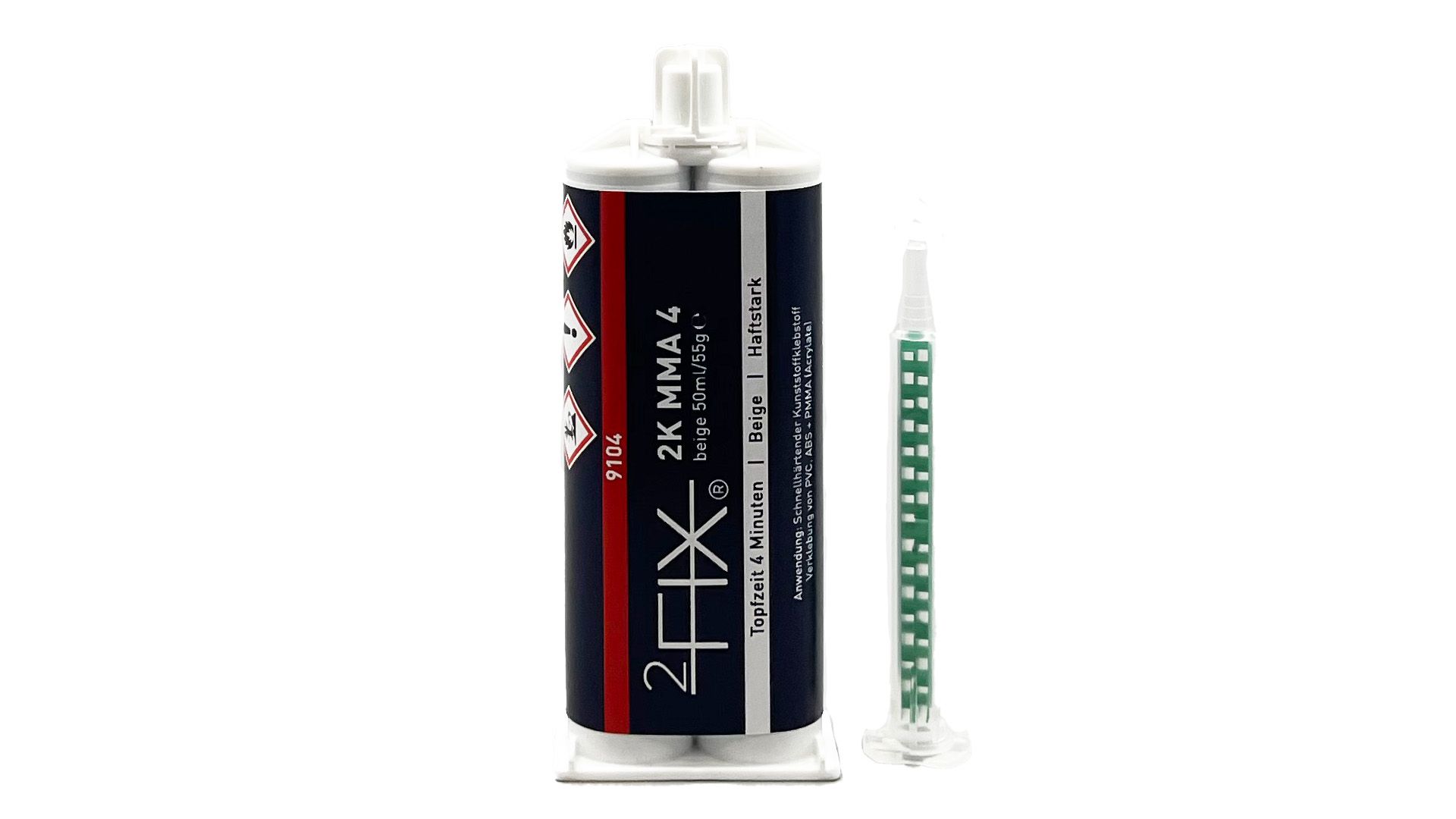
Price on request
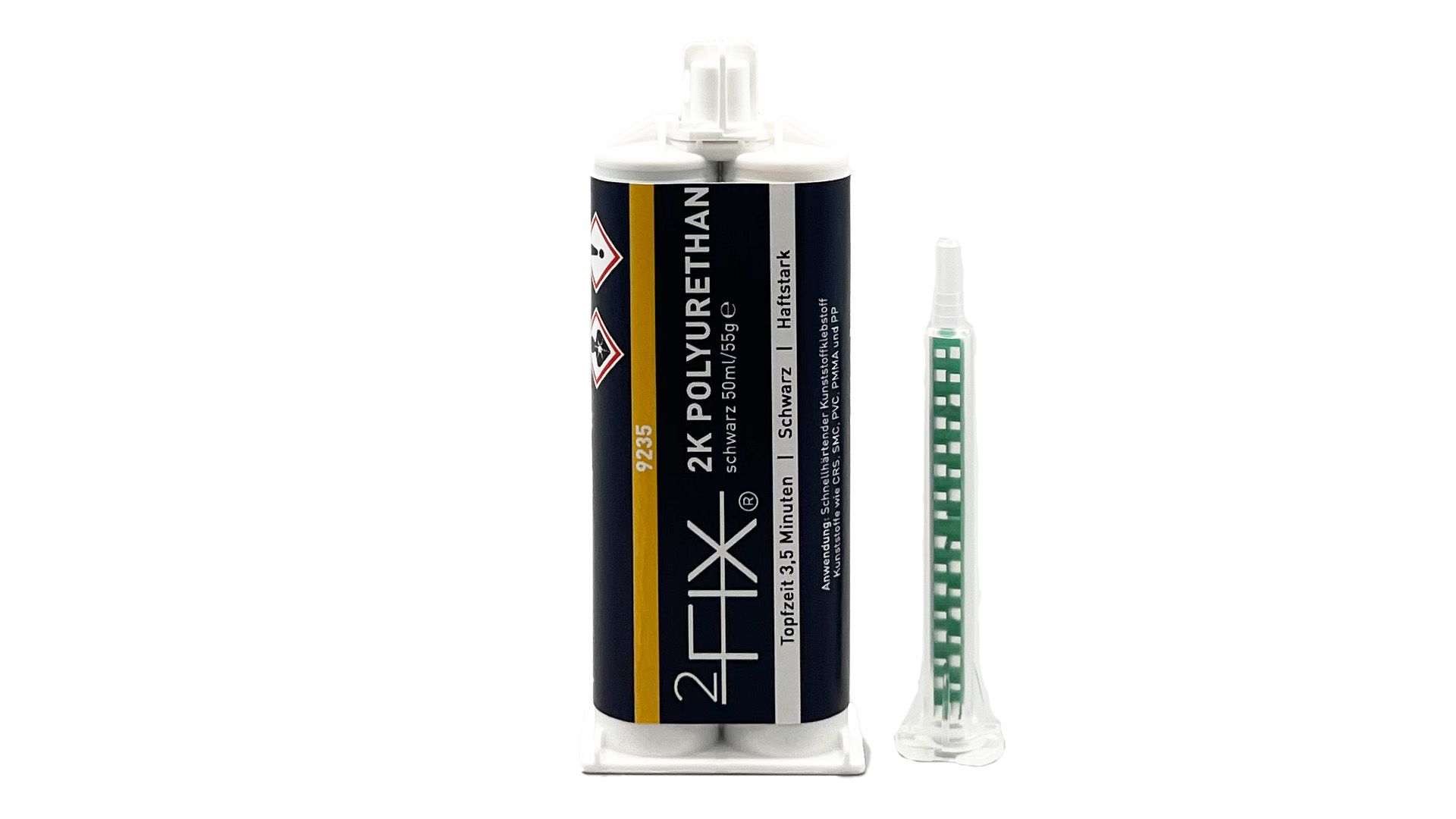
Price on request

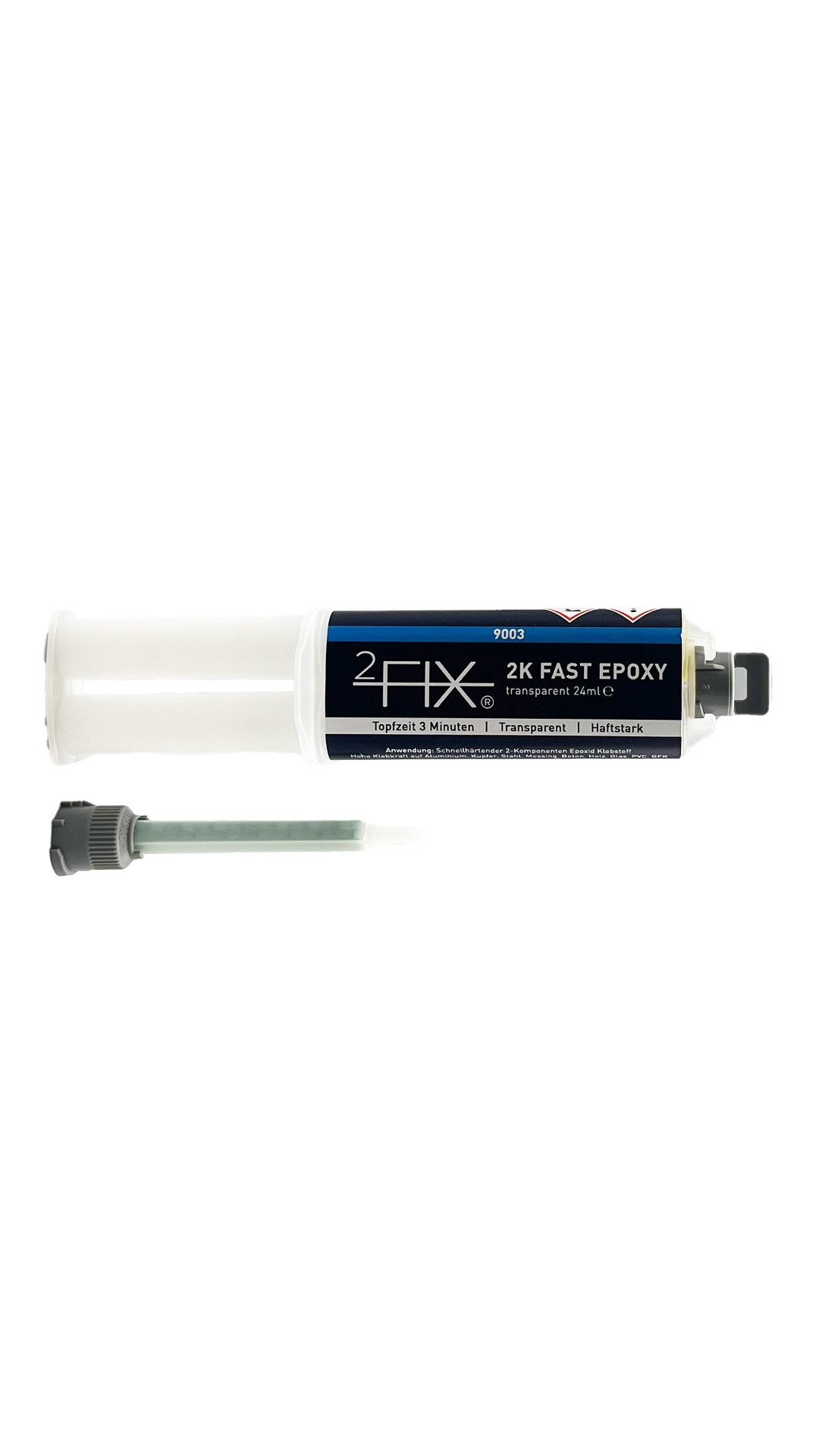
Price on request

Information on two-component adhesives
A two-component adhesive consists of two separate components: a resin and a hardener. The chemical reaction that causes the adhesive to cure begins only when the two components are mixed, creating a particularly strong bond.
Two-component adhesives are suitable for bonding a wide range of materials, including metal, plastic, wood, ceramic, glass, stone, and concrete. They are commonly used when a particularly strong, durable, and highly resistant bond is required.
The main advantage is their high strength. In addition, many two-component adhesives are resistant to moisture, heat, chemicals, and mechanical stress. They are therefore particularly suitable for repairs, assembly work, and demanding bonding applications.
The working time, also known as the pot life, depends on the specific product. It can range from a few minutes to several hours. Once this period has elapsed, the adhesive begins to cure noticeably and should no longer be applied.
The bonding surfaces should be clean, dry, and free from dust and grease. Oil, dirt, rust, loose paint residues, and old adhesive residues should be removed. Lightly sanding smooth surfaces can improve adhesion.
One-component adhesives are ready to use and generally cure through atmospheric moisture, evaporation, or heat. Two-component adhesives must be mixed before application and cure through a chemical reaction. As a result, they often achieve particularly high strength.