
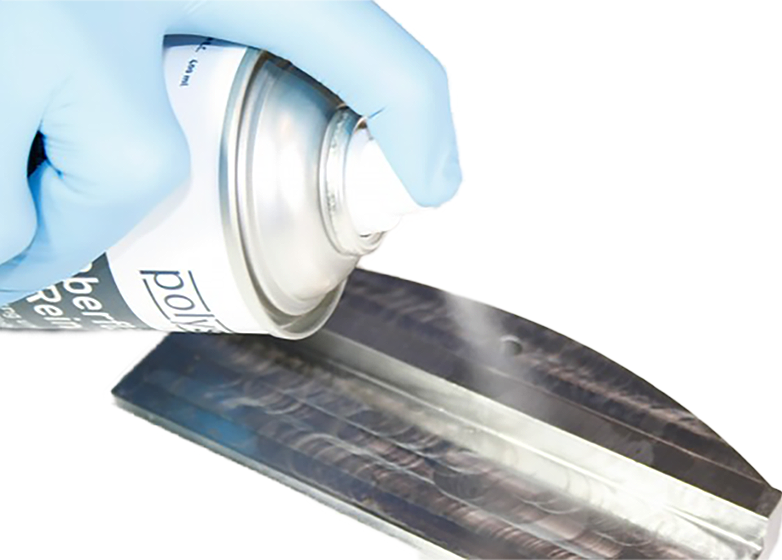
Adhesive Surface Preparation
Adhesive surface preparation is a crucial step in the bonding process to ensure a strong and durable connection between materials. Without thorough preparation of the surfaces to be bonded, insufficient adhesion, material failure, or bonds that cannot withstand stress may occur. Cleaning sprays play a central role here, as they effectively remove dirt, grease, oils, and other contaminants that could impair adhesive performance.
Your Contact for Technical Sprays – Adhesive Pretreatment
Sebastian Coché
Phone: +49 2564 9317 - 11
E-Mail: service@polytec-vreden.de
Adhesive pretreatment is important to ensure strong and durable bonds. Cleaning sprays reliably remove dirt, grease, oil, and other residues, thereby improving the adhesion of the surfaces to be bonded.
Simply request your desired product using our form.
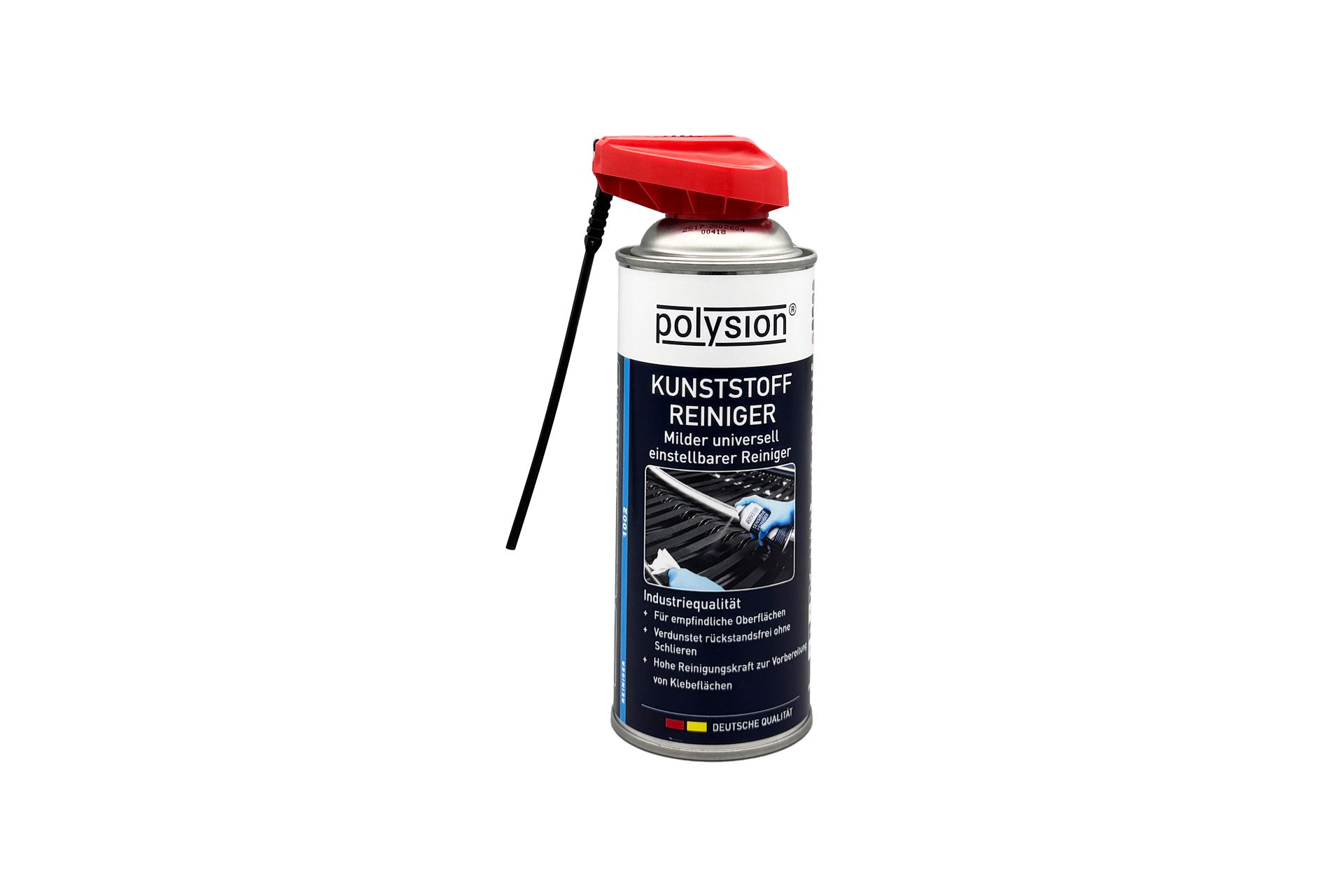
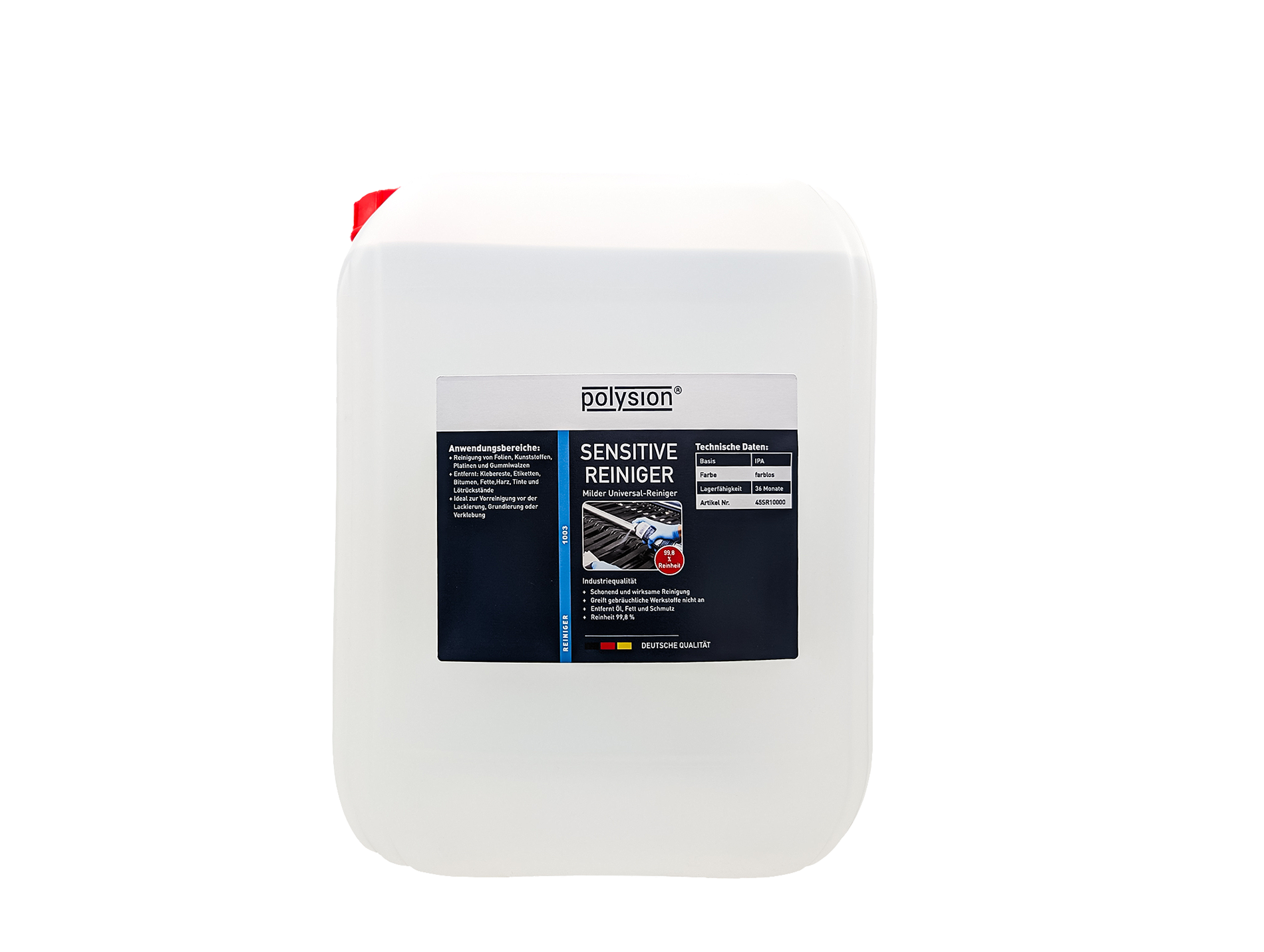
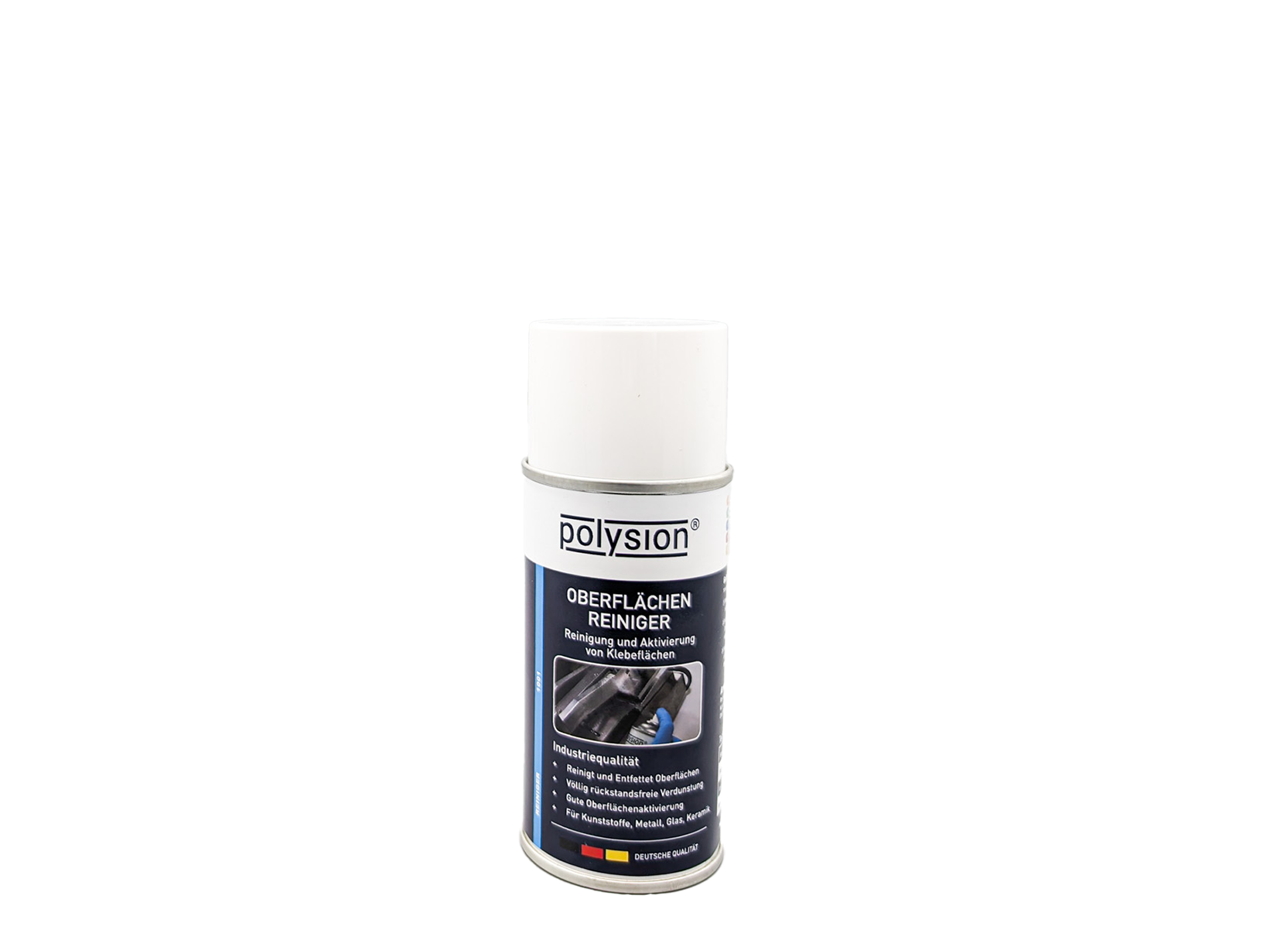
Information on Technical Sprays – Adhesive Pretreatment
Technical sprays for adhesive pretreatment are specialised products used to clean, activate, or prepare surfaces before bonding. Depending on the application, they improve the wetting, adhesion, and reliability of the subsequent bonded joint.
Adhesive pretreatment sprays are used to optimally prepare bonding surfaces for adhesives, adhesive tapes, or sealants. Typical applications include the pretreatment of plastics, metals, glass, rubber, painted surfaces, or other technical materials before bonding.
Depending on the intended application, products include cleaners, degreasers, primers, adhesion promoters, and activators. Cleaners remove dirt, oil, and grease, while primers or adhesion promoters can improve the bonding properties of certain surfaces. Activators can also accelerate the curing of certain adhesives.
A clean and properly prepared surface is essential for reliable bonding. Dust, grease, oil, moisture, or release agents can significantly reduce adhesion. Suitable pretreatment can improve the bonding surface and reduce the risk of adhesion problems.
Depending on the product, adhesive pretreatment sprays are suitable for materials such as metal, plastic, glass, ceramics, rubber, wood, painted surfaces, or composite materials. As not every spray is suitable for every material, the product information should be followed and sensitive surfaces should be tested beforehand.
The surface should be treated evenly and then allowed sufficient time to ventilate or dry. Good ventilation, suitable protective equipment, and compliance with the safety and application instructions are essential. The adhesive or adhesive tape should only be applied once the surface is dry and free of residue.